كيفية اختيار البوابة الكابولية الصناعية الأكثر أمانًا للمنشآت ذات الحركة المرورية العالية؟
 فيسبوك
 تويتر
تويتر
 لينكدين
صُممت البوابات الصناعية الكابولية لتُستخدم كبوابات دخول للمواقع الصناعية، مثل المصانع والمستودعات ومواقع الخدمات اللوجستية والموانئ والمباني والمجمعات الصناعية. إلى جانب منع الدخول إلى الموقع، يجب مراعاة السماح بدخول وخروج المركبات والمشاة، ومنع دخول الأشخاص غير المصرح لهم. كما يُعدّ تكلفة الصيانة على المدى الطويل عاملاً مهماً. تتوفر أنواع عديدة من البوابات في السوق، وقد يؤدي اختيار النوع الخاطئ إلى مشاكل مثل التعطل، وأضرار الصدمات، والإغلاق الخطير، وتوقف العمل، وارتفاع تكاليف الإصلاح.
مشكلة ومنطق الاختيار للمنشآت ذات الحركة المرورية العالية
ما هي مشاكل السلامة التي يجب على المشترين حلها أولاً؟
لا تُعدّ مشكلة التسلل دائمًا أولى مشاكل السلامة. ففي العديد من المواقع الصناعية، تُعتبر سلامة العمليات اليومية أكثر إلحاحًا. إذ قد ترجع الشاحنات للخلف بالقرب من البوابة، وتتحرك الرافعات الشوكية عبر المدخل، وقد يسير الموظفون بالقرب من مسار الإغلاق، وقد لا يكون الزوار على دراية بقواعد المرور. في هذه الحالة، يجب أن تمنع البوابة الاصطدام والسحق والانحشار والحركة المفاجئة.
ينبغي أن تجيب البوابة الصناعية الكابولية الآمنة على العديد من أسئلة الشراء:
هل تستطيع البوابة اكتشاف المركبات والأشخاص قبل التلامس؟
هل يمكن إيقافه أو عكس اتجاهه عند اكتشاف مقاومة؟
هل يمكن أن يظل الهيكل مستقراً على مدى فتحة طويلة؟
هل يمكن تشغيل النظام أثناء انقطاع التيار الكهربائي؟
هل بإمكان المورد تعديل التصميم ليناسب أحمال الرياح وعرض الموقع واحتياجات التحكم في الوصول؟
إذا لم يتم التحقق من هذه الأسئلة مبكراً، فقد يختار المشتري بوابة تبدو قوية ولكنها ذات أداء ضعيف في الاستخدام اليومي.
متى تكون البوابة الكابولية أفضل من البوابة الأرضية؟
تُعدّ البوابة الكابولية خيارًا أفضل في حال صعوبة ظروف الأرض أو محدودية الوصول للصيانة. أما البوابات المنزلقة التقليدية فتعتمد على مسار أرضي. وإذا تراكم الرمل أو الأوراق أو الطين أو الثلج أو الحجارة على هذا المسار، فقد تهتز البوابة أو تتعطل أو تُحمّل المحرك فوق طاقته.
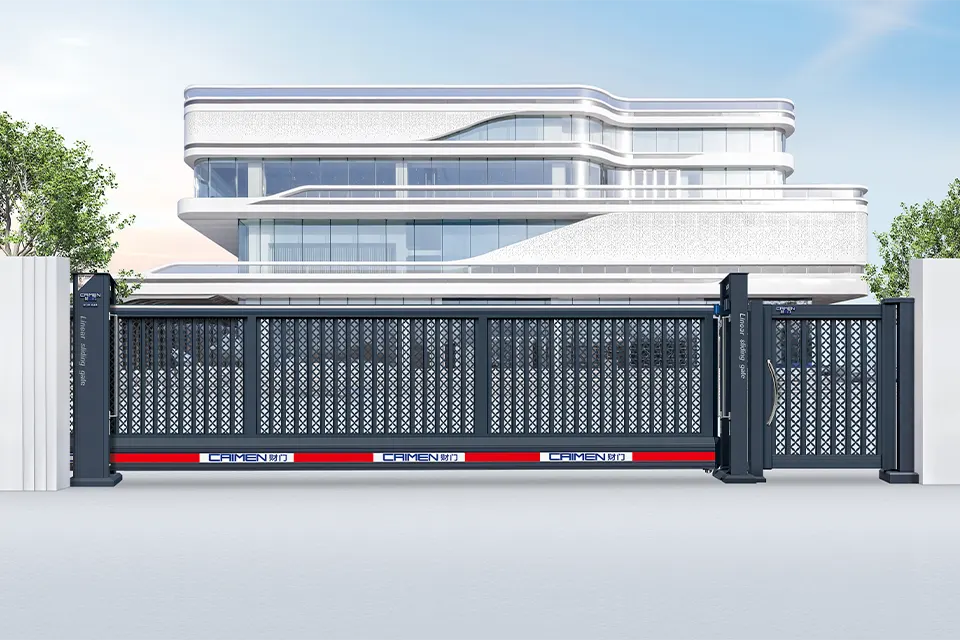
تتجنب البوابة المنزلقة الكابولية بدون مسار هذه المشكلة لأن ضلفة البوابة تتحرك عبر نظام دعم معلق. وهذا يجعلها مناسبة للمداخل ذات المنحدرات، والأرصفة الخشنة، والغبار الصناعي، أو المعرضة للعوامل الجوية. كما أنها مفيدة في المناطق اللوجستية حيث قد تتسبب عجلات المركبات في تلف القضبان الأرضية بمرور الوقت.
بالنسبة للمنشآت ذات الحركة المرورية العالية، يعمل هذا الهيكل على تحسين الأداء بثلاث طرق:
فهو يقلل الاحتكاك الناتج عن عوائق الأرض.
فهو يحافظ على الممر خالياً للشاحنات والرافعات الشوكية.
يقلل ذلك من الصيانة الناتجة عن تنظيف السكك الحديدية وتشوه المسارات.
ما هي معايير السلامة التي يجب أن تتضمنها البوابة الكابولية الصناعية؟
الكشف عن العوائق بدون تلامس
يُعدّ الكشف عن الحوادث دون تلامس أمرًا بالغ الأهمية، لأنّ الاصطدام الأكثر أمانًا هو الذي لا يحدث أبدًا. تستطيع مستشعرات الأشعة تحت الحمراء مسح مسار البوابة والكشف عن المركبات أو المشاة أو العوائق قبل أن تصطدم بها البوابة.
بالنسبة للمداخل الصناعية، ينبغي على المشترين التحقق من نطاق الكشف، وموقع المستشعر، وما إذا كان النظام يدعم التوقف التلقائي أو الرجوع للخلف. فالمستشعر وحده لا يكفي، بل يجب أن تستجيب آلية التحكم بسرعة وموثوقية.
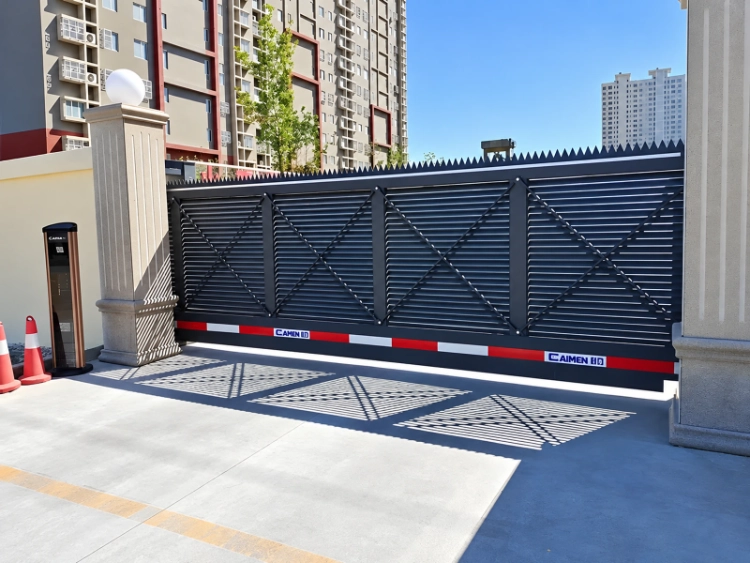
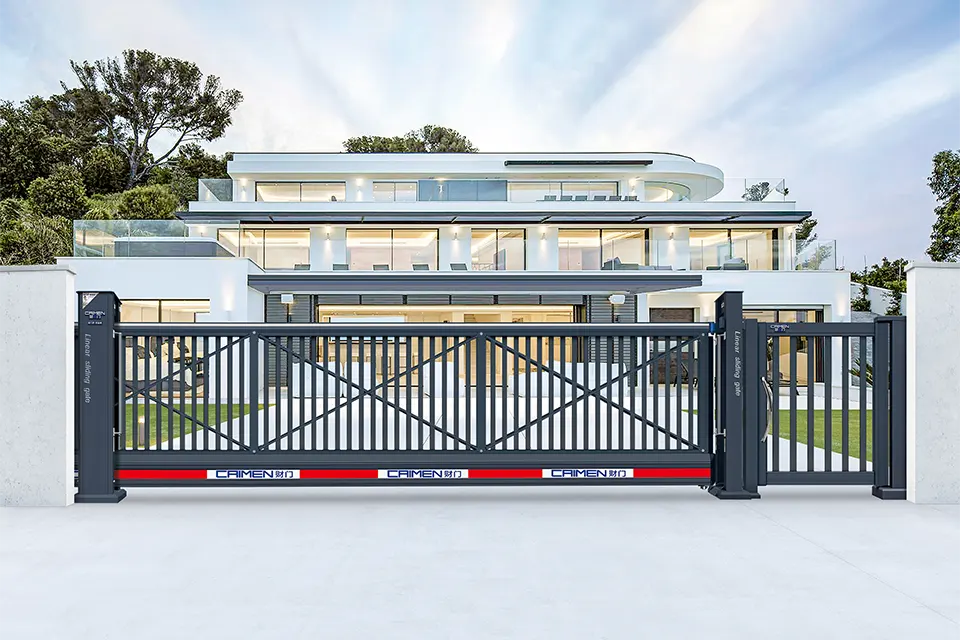
تتميز بوابة CAIMEN المنزلقة ذات التصميم الكابولي بإمكانية دمج نظام استشعار بالأشعة تحت الحمراء مضاد للتصادم، مع خاصية الكشف الذكي عن التحطيم والتسلق. يُعد هذا النوع من الأنظمة مفيدًا للمصانع والحدائق والمدارس والمستشفيات والمناطق العامة الخاضعة للرقابة حيث يمر كل من المركبات والأفراد عبر المدخل.
حماية من التصادم من نوع التلامس
قد تتأثر أجهزة الاستشعار غير التلامسية بزاوية الميل، أو الأوساخ، أو أشعة الشمس، أو سوء التركيب. ولذلك، فإن الحماية من نوع التلامس تُعدّ ذات قيمة أيضاً.
يمكن لحافة الأمان المزودة بموجة ضغط أو شريط مطاطي آمن أن تُفعّل استجابة توقف وانعكاس فورية عند ملامسة البوابة لأي عائق. في المواقع ذات الحركة المرورية الكثيفة، يوفر هذا طبقة حماية إضافية عند توقف مركبة بشكل غير متوقع أو دخول جسم ما في مسار الإغلاق.
عند مقارنة الموردين، يجب على المشترين أن يسألوا عما إذا كانت حافة الأمان مقاومة للعوامل الجوية، وسهلة الاستبدال، ومتصلة بوحدة التحكم مع تغذية راجعة مستقرة للإشارة.
مقاومة للقرص وعزل ميكانيكي
غالباً ما يتم إغفال الحماية من الانحشار عند شراء البوابات الصناعية. تحتوي البوابة الكابولية على أجزاء ميكانيكية متحركة، وعجلات توجيه، ومناطق دعم، وهياكل جانبية. إذا ترك التصميم فجوات غير آمنة، فقد تعلق الأصابع أو الملابس أو الكابلات أو الحطام الصغير.
يمكن لأجهزة منع الانحشار الميكانيكية أن توفر عزلاً مادياً حول النقاط المتحركة الخطرة. وهذا أمر بالغ الأهمية بشكل خاص للبوابات المثبتة بالقرب من ممرات المشاة وغرف الحراسة وممرات الوصول متعددة الاستخدامات.
لا ينبغي أن يعتمد تصميم البوابة الأكثر أمانًا على البرمجيات فقط، بل يجب أن يجمع بين حماية المستشعرات، والفصل الميكانيكي، وهياكل الحماية، والمسافة الواضحة بين نقاط التركيب.
زر التوقف الطارئ والتحرير اليدوي
بالنسبة للمواقع الصناعية، يُعد التحكم في حالات الطوارئ مطلباً عملياً. يجب أن تحتوي البوابة على وظيفة إيقاف طارئ لتمكين المشغلين من إيقاف الحركة فوراً عند ظهور أي خطر.
يُعدّ التحرير اليدوي أمرًا بالغ الأهمية. ففي حالات انقطاع التيار الكهربائي، أو أعمال الصيانة، أو الإخلاء الطارئ، يجب أن يكون بإمكان الموظفين المُصرّح لهم فصل القابض وتحريك البوابة يدويًا. ينبغي على المشترين التأكد من سهولة هذه العملية، وأنها محمية بمفتاح، وأنها مُوضّحة بوضوح في دليل التركيب.
ما هي التفاصيل الهيكلية التي تُحسّن السلامة والمتانة؟
قوة العارضة الرئيسية واستقرارها على امتداد طويل
تتحمل البوابة الطويلة ذات الناتئ حمولة أكبر مما يتوقعه العديد من المشترين. ولأن البوابة معلقة، يجب أن تعمل العارضة السفلية والعلوية وقضبان التدعيم وعجلات التوجيه وهيكل الدعم الخلفي معًا لمنع الترهل.
بالنسبة للمنشآت ذات الحركة المرورية العالية، ينبغي اختيار الهيكل وفقًا لعرض الفتحة، وارتفاع البوابة، ومقدار تعرضها للرياح، وتكرار التشغيل اليومي. قد يتسبب العارضة الضعيفة في سوء المحاذاة، وضوضاء غير طبيعية، وزيادة الحمل على المحرك، وحركة غير آمنة.
تستخدم بوابة CAIMEN الكابولية مواد سبائك الألومنيوم عالية القوة، بما في ذلك 6005-T6 لهياكل العوارض الرئيسية و6063-T5 للقضبان الرأسية. تصل أبعاد العارضة السفلية إلى 302 × 213 مم، مع سماكة جدار حرجة تصل إلى 7.0 مم. يساعد هذا النوع من التصميم الهيكلي المقوى على الحفاظ على الصلابة في التطبيقات ذات الامتدادات الطويلة.
مقاومة للعوامل الجوية للمنشآت الخارجية
تتعرض المداخل الصناعية لأشعة الشمس والمطر والرياح والغبار وتغيرات درجات الحرارة. في المناطق الساحلية أو ذات الرطوبة العالية، تصبح مقاومة التآكل مسألة سلامة، وليست مجرد مسألة مظهر. فالصدأ وتلف الطلاء وتدهور السطح قد يؤثر على الأجزاء المتحركة ويقلل من عمرها الافتراضي.
ينبغي على المشترين التحقق من عملية الطلاء، ومقاومة الأشعة فوق البنفسجية، وثبات اللون، وثبات اللمعان، ومقاومة التطبّق، وقوة الالتصاق، وما إذا كان المورّد قادرًا على توفير تشطيب سطحي مناسب للمناخ المحلي. تستخدم شركة CAIMEN طلاءً مسحوقيًا مخبوزًا لمنتجاتها من البوابات الكابولية، ويمكنها اختيار مستويات أداء طلاء مختلفة وفقًا لبيئة المشروع.
بالنسبة للتطبيقات الخارجية القياسية، يوفر نظام طلاء المسحوق المُختَبَر وفقًا لمعيار AAMA 2603 أداءً مُثبتًا من حيث التصاق الطبقة، ومقاومة الصدمات، ومقاومة المواد الكيميائية، والرطوبة، ورذاذ الملح، والعوامل الجوية الخارجية. في الاختبارات المذكورة، اجتازت عينات نموذجية 1512 ساعة من التعرض للرطوبة ورذاذ الملح. بعد عام واحد من التعرض لعوامل الطقس في جنوب فلوريدا، لم يُظهر الطلاء أي تشققات أو تآكل أو فقدان للالتصاق، مع بهتان طفيف فقط.
بالنسبة للمشاريع المعرضة لأشعة الشمس القوية أو التي تتطلب ثباتًا طويل الأمد للون واللمعان، يمكن تحديد طلاء مسحوق عالي الأداء تم اختباره وفقًا لمعيار AAMA 2604. تحدد معايير التعرض لخمس سنوات في جنوب فلوريدا تغير اللون بحد أقصى 5 ΔE_H، وتتطلب تصنيفًا للطباشير لا يقل عن 8، وثباتًا لللمعان بنسبة 30% على الأقل. في حال طلب طلاء مسحوق فلوروكربوني تحديدًا، ينبغي على المشترين التأكد من التركيب الكيميائي للطلاء والوثائق الداعمة من المورد، بدلًا من الاعتماد على مصطلح "فلوروكربوني" وحده.
مقاومة الرياح والتعزيزات الخاصة بالموقع
يُعدّ حمل الرياح عاملاً مهماً بالنسبة للبوابات الصناعية ذات الامتدادات الكبيرة. فالبوابة الطويلة والعريضة المثبتة في منطقة ساحلية أو مفتوحة أو معرضة للأعاصير تحتاج إلى تصميم هندسي أقوى من المدخل الصغير في موقع محمي.
قبل الشراء، زوّد المورّد بعرض الموقع، وارتفاع البوابة، وظروف الرياح، واتجاه الفتح، وتفاصيل الأساس. ولزيادة مقاومة الرياح، قد يتطلب التصميم عارضة سفلية أكبر، أو أجزاء أساس مدمجة، أو قضبان تقوية مزدوجة الجوانب، أو محركًا ذا قدرة أعلى.
هنا تبرز أهمية تكييف المشروع أكثر من اختيار الكتالوج. قد تكون البوابة القياسية مناسبة لمدخل مصنع عادي، بينما قد يحتاج ميناء أو مطار أو مجمع لوجستي ساحلي إلى هيكل مصمم خصيصًا.
كيف يُحسّن نظام التحكم الذكي السلامة المرورية؟
ربط نظام التعرف على لوحات المركبات وحاجز البوابات
بالنسبة للمنشآت ذات الحركة المرورية الكثيفة، فإنّ الاستراتيجية الأمثل لفتح وإغلاق البوابة الثقيلة لكل مركبة ليست دائماً هي الأكثر أماناً. فخلال ساعات الذروة، قد يؤدي تحريك البوابة بشكل متكرر إلى إبطاء حركة المرور وزيادة التآكل.
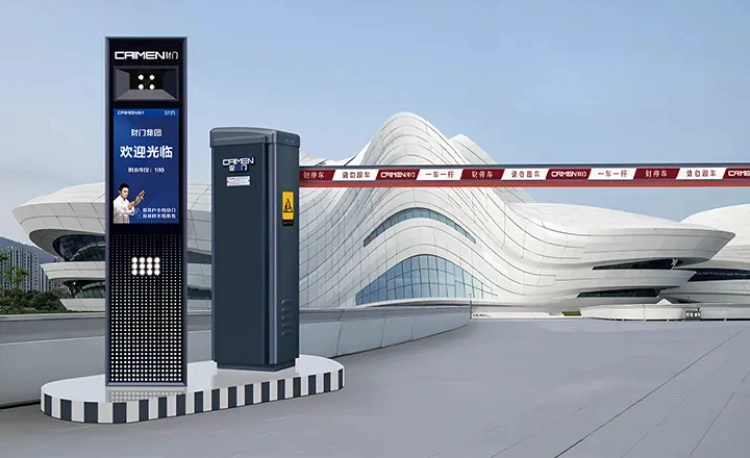
يمكن لنظام تحكم أفضل بالدخول أن يجمع بين بوابة ناتئة، ونظام التعرف على لوحات المركبات، وحاجز مروري عالي السرعة. خلال ساعات النهار أو أثناء تغيير الورديات، يمكن للحاجز المروري استيعاب مرور المركبات السريع بعد التحقق من لوحات المركبات. أما خلال الليل أو في فترات الأمن المشدد، فيمكن إغلاق البوابة الناتئة كحاجز محيطي فعلي.
يُحسّن هذا النموذج ذو الطبقتين الكفاءة والأمان على حدٍ سواء. وهو مناسب للمصانع ومراكز الخدمات اللوجستية والمجمعات الصناعية والمواقع الخاضعة للرقابة التي تتطلب وصولاً سريعاً خلال ساعات العمل وإغلاقاً محكماً بعد ساعات العمل.
التحكم في السرعة والحركة السلسة
قد يؤدي بدء التشغيل والتوقف المفاجئ إلى مخاطر تتعلق بالسلامة. يجب أن يدعم نظام التحكم الجيد التسارع السلس، والتشغيل المستقر، والتباطؤ قبل التوقف، وتحديد الموقع بدقة.
ينبغي على المشترين الاستفسار عما إذا كانت وحدة التحكم تدعم ضبط السرعة، والتحكم في موضع الحد، وإعدادات وقت الإغلاق التلقائي، وإعدادات المخزن المؤقت العكسي. تساعد هذه الميزات البوابة على التحرك بشكل أكثر قابلية للتنبؤ، خاصةً عند الاستخدام اليومي المتكرر.
كما أن الحركة السلسة تقلل من الإجهاد الميكانيكي على العجلات والعوارض والمحرك والمفاصل. ومع مرور الوقت، يؤدي ذلك إلى تحسين الموثوقية وخفض تكاليف الصيانة.
ما الذي يجب على المشترين التحقق منه قبل الشراء؟
ظروف الموقع
قبل اختيار بوابة صناعية ناتئة، اجمع معلومات أساسية عن الموقع:
عرض الفتحة والمساحة الجانبية المتاحة
الارتفاع المطلوب للبوابة ومستوى الأمان
حالة الأرض وجاهزية الأساس
أنواع المركبات، بما في ذلك الشاحنات والرافعات الشوكية وسيارات الركاب
عدد مرات الفتح اليومية
الرياح، ودرجة الحرارة، والغبار، والمطر، والثلج، أو التعرض للساحل
متطلبات إمداد الطاقة والتحكم في الوصول
تساعد هذه التفاصيل المورد على التوصية بحجم البوابة المناسب، وهيكل العارضة، وتكوين المحرك، ومجموعة المستشعرات، وخطة الأساس.
متطلبات التركيب
تتطلب البوابة المنزلقة ذات الناتئ مستوى استواء أرضي أقل من البوابة المثبتة على مسار، ولكن لا يزال يتعين محاذاة الخزانة وإطار الرافعة ونظام دعم العجلات بدقة. يجب أن تكون القاعدة قوية بما يكفي لتحمل وزن البوابة والاهتزازات أثناء التشغيل.
في المشاريع الصناعية، يجب أن يتم التركيب بواسطة فنيين مؤهلين. يجب فحص التأريض الكهربائي، وحماية المفاتيح المستقلة، وحماية قواطع الدائرة، واختبارات السلامة قبل التشغيل. كما يجب على الفني تدريب المستخدمين على زر الإيقاف الطارئ، والتحرير اليدوي، والفحص اليومي.
قدرة المورد
إن البوابة الآمنة ليست مجرد منتج، بل هي مزيج من التصميم والتصنيع وإرشادات التركيب ودعم ما بعد البيع.
عند تقييم الموردين، تحقق مما إذا كان بإمكانهم توفير ما يلي:
حجم البوابة وارتفاعها ولونها ونمطها حسب الطلب
الرسومات الهندسية أو دعم التصميم بمساعدة الحاسوب (CAD)
خيارات تكامل التحكم في الوصول
مراجع مشاريع للمنشآت الصناعية أو العامة
كتيبات تركيب واضحة
قطع الغيار وإرشادات الصيانة
كايمن مجموعة المنتجات يشمل ذلك البوابات الكهربائية الذكية، والبوابات المنزلقة ذات الذراع الكابولي، وأنظمة التعرف على لوحات المركبات، والحواجز الذكية، وحلول التحكم في الوصول. وللمشترين الذين يحتاجون إلى مرجع خاص بمشاريعهم، يُرجى الاطلاع على: صفحة المشروع يمكن أن يساعد ذلك في مقارنة سيناريوهات التطبيق الحقيقية.
التعليمات
ما هي أكثر البوابات الكابولية الصناعية أمانًا للمنشآت ذات الحركة المرورية العالية؟
تُعتبر البوابة الكابولية الصناعية الأكثر أمانًا تلك التي تجمع بين هيكل معلق قوي، ونظام كشف بالأشعة تحت الحمراء، وحواف أمان عند التلامس، وحماية من الانحشار، ووظيفة إيقاف الطوارئ، وإمكانية الفتح اليدوي، ونظام تحكم ذكي. بالنسبة للمنشآت ذات الحركة المرورية العالية، يجب أن تتناسب البوابة أيضًا مع عرض الموقع، واتجاه الرياح، وكثافة المرور، ونظام التحكم في الدخول.
متى يجب عليّ اختيار بوابة منزلقة ذات ذراع ناتئ بدلاً من البوابة المنزلقة التقليدية؟
اختر بوابة منزلقة ناتئة عندما يكون المدخل ذو أرضية غير مستوية، أو موحلة، أو رملية، أو ثلجية، أو يعاني من مشاكل في الصرف، أو يمر به مركبات ثقيلة. ولأنها لا تتطلب مسارًا أرضيًا، فإنها تقلل من خطر التعطل وتحافظ على الممر أكثر وضوحًا للشاحنات والرافعات الشوكية.
هل يمكن لبوابة صناعية ناتئة أن تعمل مع نظام التعرف على لوحات المركبات؟
نعم. يمكن دمج البوابة الكابولية مع أنظمة التعرف على لوحات المركبات، والتحكم عن بُعد، والبلوتوث، والتحكم عبر تطبيقات الهاتف المحمول، وتقنية تحديد الهوية بموجات الراديو، ولوحة المفاتيح، والتعرف على الوجوه، وحواجز المرور، وذلك حسب تصميم المشروع. في المواقع المزدحمة، يمكن لنظام التعرف على لوحات المركبات مع حاجز المرور استيعاب حركة المرور في أوقات الذروة، بينما توفر البوابة الكابولية أمانًا أقوى خارج ساعات العمل.
ما الذي يجب عليّ فحصه قبل التثبيت؟
تحقق من متانة الأساس، ومحاذاة البوابة، وموضع الخزانة، وموضع الرافعة، ومصدر الطاقة، والتأريض، وموضع الحساسات، ونظام الصرف، وخلوص الفتح، وآلية الفتح في حالات الطوارئ. يجب على فريق التركيب اختبار خاصية كشف العوائق، واستجابة التوقف والانعكاس، ومواضع الحد، والتشغيل اليدوي قبل التسليم.
أين يمكنني مراجعة تفاصيل المنتج أو طلب توصية لمشروع؟
يمكن للمشترين مراجعة Cantilever بوابة انزلاق للاطلاع على تفاصيل المنتج، تفضل بزيارة الصفحة التالية: معلومات عنا للاطلاع على معلومات حول قدرات التصنيع والبحث والتطوير، أو للتواصل مع المورد عبر الصفحة التالية: صفحة الاتصال مع مراعاة أبعاد الموقع ومتطلبات الوصول.
استنتاج
يتطلب اختيار البوابة الكابولية الصناعية الأكثر أمانًا للمنشآت ذات الحركة المرورية العالية أكثر من مجرد فحص طول البوابة وقوة المحرك. يجب أن يأخذ القرار السليم في الاعتبار بنية البوابة، وتصميمها المقاوم للتصادم، وحماية المشاة، وانسيابية حركة المرور، ومقاومتها للعوامل الجوية، وجودة تركيبها، وتكاملها مع أنظمة الدخول الذكية.
بالنسبة للمصانع، والمراكز اللوجستية، والمجمعات الصناعية، والمؤسسات العامة، والموانئ، والمداخل ذات الحماية الأمنية العالية، يمكن للبوابة المنزلقة الكابولية بدون مسار أن تقلل من صيانة المسارات الأرضية مع تحسين سلامة المرور. يكمن السر في مطابقة نظام البوابة مع ظروف الموقع الفعلية، وليس فقط مع نموذج قياسي من الكتالوج.
ينبغي على المشتري الراغب في مدخل أكثر أمانًا وكفاءة مراجعة الرسومات الفنية، ووظائف السلامة، ومراجع المشاريع، وخيارات التخصيص قبل تأكيد الطلب. ويمكن النظر في حلول البوابات الكابولية وأنظمة التحكم الذكية بالدخول من CAIMEN عندما يتطلب المشروع مزيجًا من القدرة التصنيعية، وتكامل الأنظمة، والتعديل الهندسي.