Повний посібник з купівлі надміцних консольних воріт
 ФЕЙСБУК
 Твіттер
 Лінкедин
Жвавий вхід не може покладатися на ворота, які працюють лише за гарної погоди. На заводі, в логістичному парку, школі, урядовому об'єкті чи комерційному закладі ворота повинні плавно відкриватися, надійно закриватися та забезпечувати рух транспорту. Коли ворота починають заклинювати, трястися або провисати, проблема стає більшою, ніж вартість ремонту. Вантажівки чекають, охоронці марнують час, а вхід стає ненадійним.
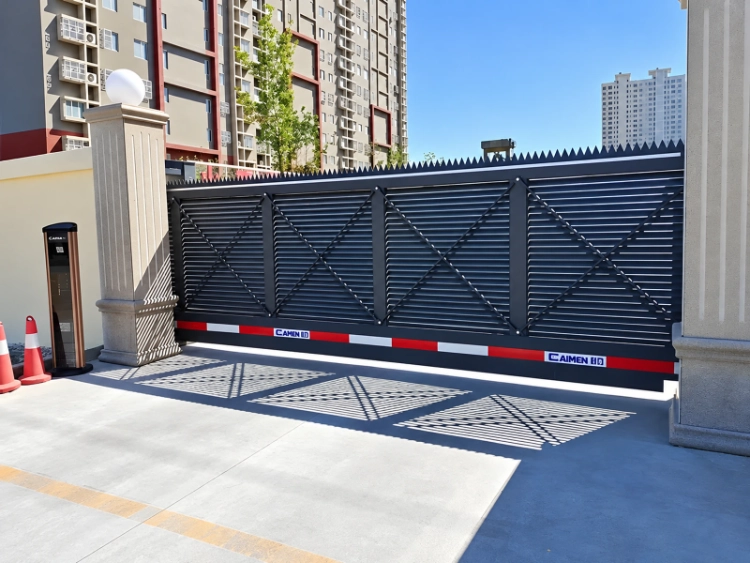
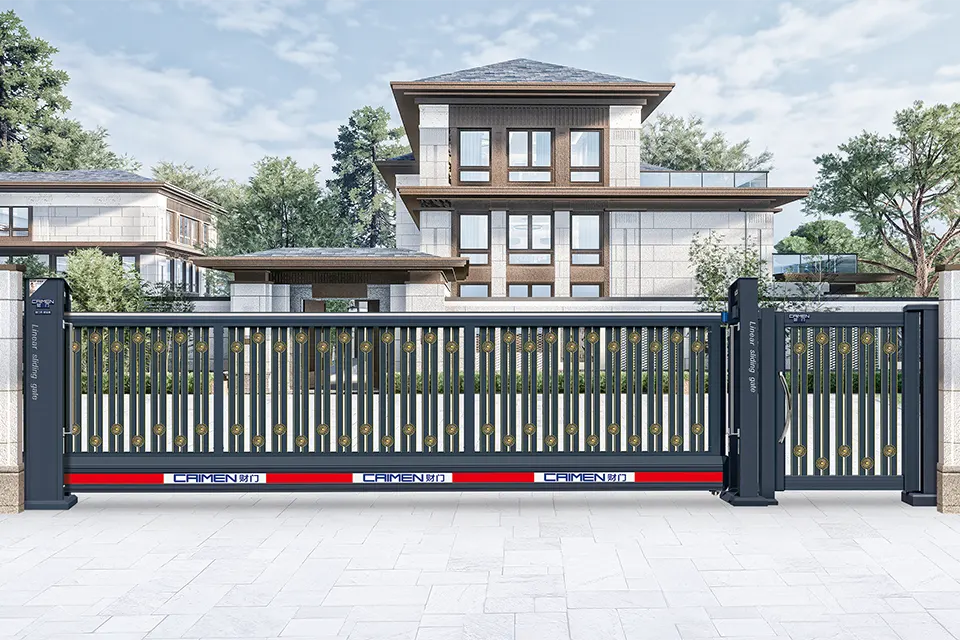
Для такого роду робіт призначені надміцні консольні ворота. На відміну від розсувних воріт на рейці, вони не рухаються по рейці поперек під'їзної дороги. Корпус воріт підвішений з одного боку, тому бруд, гравій, сніг, пісок та нерівна поверхня менш схильні зупиняти їх рух. Усі консольні розсувні ворота виготовляються по-різному, залежно від рами, нижньої балки, металевих конструкцій, покриття, двигуна, запобіжного пристрою та основи встановлення. Консольні розсувні ворота CAIMEN розроблена як комплексна вхідна система. Виготовлена з високоміцного алюмінієвого сплаву для основної конструкції, міцних конструкційних частин та покрита AkzoNobel Interpon D1000, вона може витримувати будь-які погодні умови протягом тривалого часу.
Короткий опис: Чому консольні ворота варті покупки?
Стабільність до появи
Ворота можуть виглядати міцними, коли вони нові, але справжнє випробування настає після місяців щоденного використання. Широкі отвори, багаторазові рухи, вітер і рух транспортних засобів створюють навантаження на конструкцію. Якщо рама занадто легка, ворота можуть поступово провисати або зміщуватися з вирівнювання.
Ось чому покупцям слід спочатку звернути увагу на конструкцію. Нижня балка, алюмінієвий профіль, напрямні колеса та з'єднувальні деталі важливіші за стиль поверхні. Стабільна рама допомагає двигуну працювати з меншим навантаженням і забезпечує рівний рух воріт.
Інженерія замість простого складання воріт
Деякі постачальники просто виготовляють ворота відповідно до розміру отвору. Цього може бути достатньо для легкого використання, але це не ідеально для промислових входів. Підвісні ворота потребують належного контролю навантаження, міцних з'єднань та рами, здатної витримувати тривалий вигин.
CAIMEN розглядає ворота як інженерний виріб, а не як базовий металевий вузол. Їхня конструкція поєднує високоміцні алюмінієві сплави 6005-T6 та 6063-T5 з надміцною литою сталлю та фурнітурою з нержавіючої сталі. Це допомагає зменшити розхитування, тряску та передчасний знос.
Безрейкове проектування та планування ділянки
Чому наземні треки створюють проблеми
Розсувні ворота на рейках базуються на рейці, встановленій поперек дороги. У чистих місцях це може спрацювати досить добре. Однак на реальних будівельних майданчиках на рейці часто накопичується бруд, каміння, лід, листя або пісок.
Після блокування рейки ворота можуть зупинитися, підстрибнути або скреготіти. Тоді двигуну доводиться штовхати сильніше, ніж потрібно. З часом це може пошкодити колеса, шестерні, підшипники та рейки.
Як консольні ворота забезпечують чистоту дороги
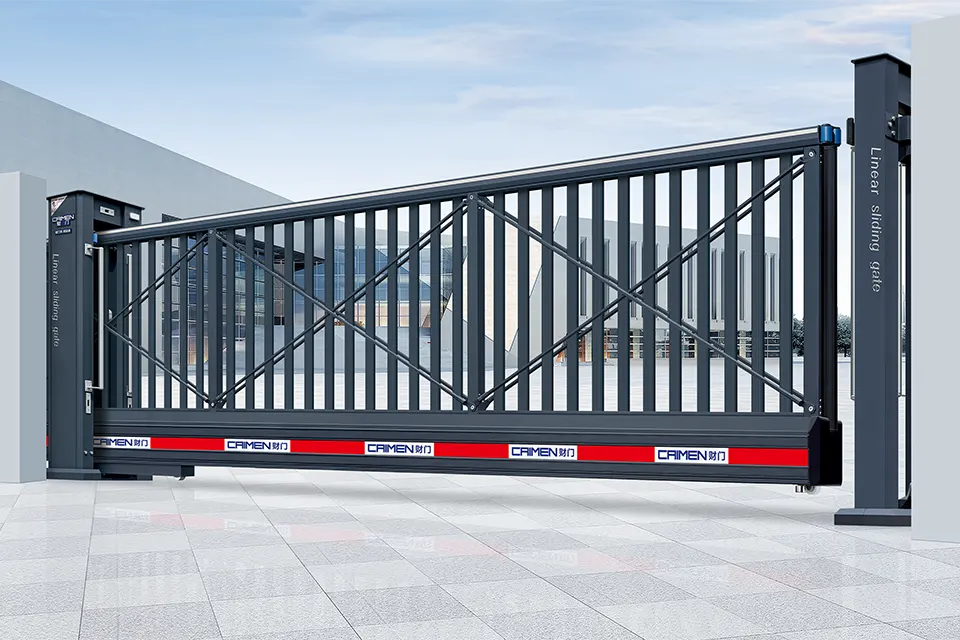
A кантиліверні розсувні ворота рухається над під'їзною дорогою, не торкаючись землі. Стулка воріт підтримується бічними роликовими каретками та противагою. Оскільки дорогу не перетинає жодна колія, транспортні засоби проїжджають чистішою та відкритішою смугою.
Така конструкція корисна для місць з нерівним покриттям, рухом важких вантажівок, поганим дренажем або зимовими умовами. Вона також зменшує щоденні витрати на прибирання, оскільки немає потреби очищати залізничну канавку. Для в'їздів з інтенсивним рухом ця невелика різниця може заощадити багато часу на обслуговування.
Бічний простір все ще потребує перевірки
Консольна хвіртка потребує достатнього бокового простору для відхилення. Повна рама воріт довша за просвіт, оскільки вона включає задню частину з противагою. Перед замовленням виміряйте ширину під'їзної дороги та відкритий простір уздовж лінії огорожі.
Перевірте ці пункти сайту заздалегідь:
стіни, стовпи та вартові кімнати
дерева, схили та дренажні канали
припарковані транспортні засоби або стаціонарне обладнання
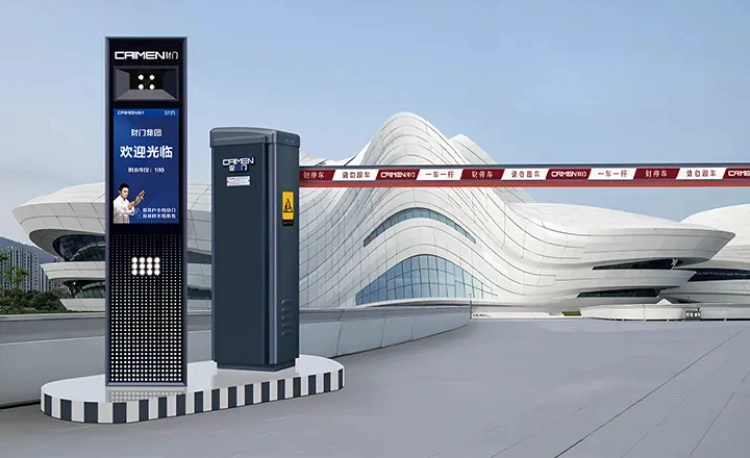
LPR-камери, бар'єри та пристрої контролю доступу
майбутнє розширення дороги або зміни в'їзду
Якщо цю роботу пропустити, ворота можуть не повністю відкритися після встановлення.
Планування розмірів та огляд макета
Основні перевірки розмірів
Чим більший отвір, тим довшою має бути загальна довжина рами воріт. Наприклад, для просвіту 4000 мм зазвичай потрібна загальна довжина воріт 6000 мм, тоді як для просвіту 6000 мм може знадобитися загальна довжина воріт 9000 мм. Це нормально для консольної конструкції, оскільки підвісна стулка потребує достатнього балансу. Під час замовлення воріт не обмежуйтесь виміром ширини отвору входу, оскільки є кілька інших факторів, які слід врахувати. До них належать відстань між підвісними колесами, відстань між напрямними колесами, ширина проходу та бічний просвіт. Просте креслення об'єкта може позбавити вас багатьох проблем перед початком виробництва.
Міркування щодо промислового руху транспорту
Для логістичних в'їздів великим вантажівкам потрібен достатній простір для розвороту перед і після воріт. Якщо дорога вузька, ворота слід планувати разом зі шлагбаумами, обладнанням для розпізнавання рухомих предметів, будками для охорони та смугами очікування. Міцні ворота в неправильному положенні все одно можуть уповільнити весь в'їзд.
Для заводів та комерційних об'єктів майбутнє використання також має значення. Якщо трафік може зрости пізніше, краще вибрати міцнішу раму та розумнішу систему керування з самого початку. Заміна слабких воріт після розширення зазвичай коштує дорожче.
Матеріалознавство: справжнє ядро воріт
Рама з високоміцного алюмінієвого сплаву
Рама тримає ворота прямо під час руху. Сталь може бути міцною, але вона важка і може збільшити навантаження на приводну систему. Звичайний алюміній легкий, але він може бути недостатньо жорстким для широких або високочастотних в'їздів.
CAIMEN використовує профілі з високоміцних алюмінієвих сплавів 6005-T6 та 6063-T5. Це забезпечує воротам кращий баланс міцності, ваги та стійкості до іржі. Для промислових об'єктів на відкритому повітрі цей баланс важливий, оскільки ворота повинні часто рухатися, не створюючи надмірного навантаження на двигун.
Посилена нижня балка
Нижня балка є однією з найважливіших частин консольних воріт. Вона несе значну частину навантаження та допомагає контролювати вигин поперек отвору. Якщо ця балка слабка, ворота можуть почати прогинатися після тривалого використання.
Посилена нижня балка CAIMEN виготовлена з посиленого профілю 302 x 213 мм з товщиною стінки до 7,0 мм у ключових зонах навантаження. Ця міцніша секція підтримує ширші отвори та працює із задніми тягами та напрямними елементами для забезпечення стабільності воріт.
Деталі надміцної фурнітури
Дрібні деталі фурнітури можуть вирішувати, чи залишатимуться ворота тихими та рівними. Напрямні колеса, з'єднання з литої сталі, напрямні з нержавіючої сталі, кронштейни тяг та основи з'єднань впливають на щоденний рух. Якщо вони послабляються занадто рано, ворота можуть стати шумними або їх важко регулювати.
CAIMEN використовує механічні деталі з міцної литої сталі та нержавіючої сталі в ключових позиціях. Модульна структура з шипами та пазами також допомагає покращити міцність з'єднання. У разі пошкодження деталі модульна конструкція може спростити її заміну та скоротити час простою.
Покриття та довговічність на відкритому повітрі
Чому важливий захист поверхні
Зовнішні ворота стикаються з впливом сонця, дощу, пилу, вихлопних газів, вологості, а іноді й прибережного солоного повітря. Слабке покриття може вицвісти, крейдятися, відшаровуватися або плямитися. Як тільки поверхня починає руйнуватися, весь вхід може виглядати старим, навіть якщо ворота все ще працюють.
Ось чому до покриття слід ставитися як до технічного вибору, а не лише до вибору кольору. Покупці повинні запитати, яке порошкове покриття використовується та чи підходить воно для тривалого перебування на відкритому повітрі. Неякісне покриття часто призводить до перефарбування та додаткового обслуговування пізніше.
Покриття AkzoNobel Interpon D1000
CAIMEN застосовує порошкове покриття AkzoNobel Interpon D1000 для покращення зовнішніх характеристик. Це покриття розроблено для високої стійкості до ультрафіолетового випромінювання, збереження кольору та захисту від атмосферних впливів. Воно підтримує 10-річний рівень стійкості до архітектурних впливів, що є цінним у сонячному, дощовому або прибережному середовищі.
Покриття працює разом з рамою з алюмінієвого сплаву для захисту корпусу воріт. Воно допомагає зменшити вицвітання та старіння поверхні, завдяки чому вхід довше зберігає чистіший вигляд. Це важливо для заводів, кампусів та комерційних об'єктів, що виходять назовні.
Управління двигуном, контролем та доступом
Система приводу CMXF-735
Важкій ворота потребують контрольованого руху, а не лише потужності. Промисловий привід CMXF-735 використовує двигун потужністю 550 Вт і призначений для роботи консольних воріт. Він забезпечує воротам міцність, необхідну для щоденного відкривання та закривання.
Двигун не слід оцінювати лише за потужністю. Плавний пуск і зупинка не менш важливі. Різкий рух може збільшити знос рейок, підшипників, шарнірів та напрямних деталей.
Робота зі змінною частотою
Регулювання частоти допомагає воротам плавно починати рух, стабільно рухатися та сповільнюватися ближче до кінцевого положення. Це зменшує механічні удари та робить ворота більш стійкими. Це також допомагає захистити систему приводу протягом багатьох років багаторазового використання.
Для охоронців та водіїв плавніший рух також здається безпечнішим. Великим воротам, які рухаються тихо та передбачувано, легше довіряти. У жвавих в'їздах така стабільна робота є справжньою перевагою.
Варіанти розумного доступу
Сучасним сайтам часто потрібно більше, ніж просто пульт дистанційного керування. Каймен«Система керування може підтримувати LPR, RFID, керування мобільними додатками, Bluetooth, клавіатури, візуальні домофони, сканери відбитків пальців, пристрої розпізнавання облич та контролери для робочих столів.
Це дозволяє воротам відповідати різним потребам входу. Наприклад:
години пік: ворота LPR та шлагбауми можуть справлятися зі швидшим рухом транспорту
нічні години: консольні ворота можуть закриватися для кращої безпеки
доступ для персоналу: RFID, додаток або біометричні пристрої можуть спростити вхід
доступ відвідувачів: домофони та система керування охороною можуть підтримувати ручне схвалення
Функції безпеки та екстрених ситуацій
Захист людей та транспортних засобів
Автоматичні ворота переміщують важкі конструкції поблизу людей, автомобілів та вантажівок. Безпека не може покладатися лише на один пристрій. Інфрачервоні датчики допомагають виявляти перешкоди без контакту, тоді як захисні кромки та пристрої запобігання зіткненням реагують, коли відбувається контакт.
Конструкція із захистом від защемлення також важлива у вузьких зонах руху. Вона допомагає зменшити ризик защемлення пальців, інструментів або сміття поблизу корпусу двигуна або направляючої системи. Ці деталі особливо корисні в школах, на заводах, у лікарнях та громадських місцях.
Захист від підйому та ручне відкриття
Для місць з підвищеним рівнем безпеки датчики проти перелазання додають ще один рівень захисту. Якщо система виявляє спробу вторгнення, вона може увімкнути сигналізацію та попередити персонал. Це робить ворота частиною повного плану безпеки периметра.
Також слід враховувати аварійне керування. Під час відключення електроенергії навчений персонал може використовувати ручний пристрій зчеплення, щоб розблокувати та перемістити ворота вручну. Це дозволяє використовувати вхід, коли звичайне електропостачання недоступне.
Перевірки фундаменту та монтажу
Бетонна основа та вирівнювання за рівнем
Навіть добре зроблені ворота можуть вийти з ладу раніше терміну, якщо фундамент поганий. Шафа двигуна, портал, підвісні колеса та напрямна система повинні бути встановлені на правильній рівній лінії. Якщо ці деталі не вирівняні, ворота можуть рухатися нерівномірно та швидше зношуватися.
Стандартна підготовка зазвичай включає бетонні ями розміром 800 x 800 x 800 мм, заповнені бетоном марки не менше C20. Закладені деталі слід вирівняти до застигання бетону. Цей крок безпосередньо впливає на точність переміщення та термін служби.
Планування дренажу та кабелів
Для зовнішніх установок потрібен дренаж навколо фундаментної площі. Ворота не потребують наземної доріжки, але стояча вода біля основи все одно становить ризик. Лінія встановлення повинна залишатися рівною, а навколишня територія дозволяти воді стікати.
Прокладання кабелів також слід спланувати перед заливкою бетону. Інфрачервоні датчики, вимикачі двигунів, системи LPR, домофони та панелі керування – все це може потребувати проводки. Раннє планування забезпечує чистоту входу та запобігає подальшим переробкам.
Контрольний список закупівель
Що порівняти перед замовленням
Ціна має значення, але вона не повинна бути єдиним фактором. Дешевші ворота можуть не мати міцніших профілів, кращого покриття, надійних деталей безпеки або належної фурнітури. Ці відсутні деталі часто коштують дорожче пізніше.
Використовуйте цей контрольний список під час порівняння варіантів:
| Пункт | Що перевірити | Чому це важливо |
| Рамка | Алюмінієвий сплав 6005-T6 / 6063-T5 | Міцність з меншою вагою |
| Нижня балка | 302 x 213 мм, товщина до 7,0 мм | Краща підтримка широких отворів |
| Апаратне забезпечення | Деталі з литої та нержавіючої сталі | Менше розхитування та зносу |
| Покриття | AkzoNobel Interpon D1000 | Стійкість до ультрафіолетового випромінювання та старіння |
| Мотор | CMXF-735, 550 Вт | Стабільна щоденна робота |
| Безпека | Інфрачервоний, захист від защемлення, захист від перелазання, захисний край | Безпечніше використання поблизу людей і транспортних засобів |
| Фонд | Бетонна основа C20 800 x 800 x 800 мм | Краще вирівнювання та довший термін служби |
| КОНТРОЛЬ | LPR, RFID, застосунок, Bluetooth, клавіатура, домофон | Легше керування сайтом |
Найчастіші запитання
П1Що, крім ціни, слід перевірити покупцям?
Покупцям слід порівняти матеріал рами, розмір нижньої балки, якість фурнітури, клас покриття, керування двигуном, пристрої безпеки, потреби фундаменту та сумісність із контролем доступу. Ці деталі визначають, як працюватимуть ворота після багатьох років використання. Недорогі ворота можуть стати дорогими, якщо вони вицвітають, розхитаються, провисають або потребують частого ремонту.
Міцні електричні ворота слід розглядати як цілісну систему. Міцна конструкція, довговічне покриття, надійне керування та безпечна експлуатація – все це має значення. Коли ці частини працюють разом, в'їзд стає легшим в управлінні.