Velocidad de apertura de puertas plegables: cómo la geometría de las hojas y los ejes integrados afectan la seguridad en la entrada de vehículos.
 CONTACT FACEBOOK
 Twitter
 LINKEDIN
La velocidad de apertura de una puerta plegable depende del ancho y el peso de la hoja, la fricción de las bisagras, la geometría del eje, el par motor, la configuración de los controles y la distancia de aproximación disponible. Aumentar la velocidad del motor por sí solo puede generar impactos y problemas de seguridad si el movimiento de la hoja no está controlado mecánicamente. La elección final depende del comportamiento del producto con el uso repetido, las limitaciones de instalación, las condiciones de limpieza y mantenimiento, y el coste de una posible avería si se selecciona la versión incorrecta. Lo más seguro es probar el mecanismo de la puerta plegable, comparar las ventajas y desventajas, y basar la decisión de compra en comprobaciones medibles en lugar de afirmaciones generales.

Conclusiones clave
- La selección de puertas plegables debe estar ligada a las condiciones de uso reales, al modo de fallo probable y a la prueba de aceptación.
- La aprobación de la muestra debe registrar un comportamiento medible antes y después del almacenamiento, la instalación, la limpieza, el funcionamiento o el uso repetido.
- Un presupuesto más claro comienza con fotos de la aplicación, especificaciones del producto objetivo, límites de embalaje y el método de inspección para productos a granel.
El rendimiento de la puerta comienza con la geometría de las hojas y el movimiento del sitio.
La velocidad de apertura de una puerta plegable depende de la interacción entre la estructura del material, la geometría, el movimiento y el entorno de uso. En la automatización de puertas, muchos fallos aparecen tras ciclos repetidos, en lugar de detectarse durante la primera inspección visual, por lo que el producto debe evaluarse bajo las mismas condiciones a las que estará sometido tras su entrega.
Ese estrés puede provenir de la temperatura, la humedad, la carga, la velocidad, el contacto con la superficie, la química de limpieza, el tiempo de almacenamiento o la manipulación por parte del operador. Para las familias de productos relacionadas con eje incorporadoSe aplica el mismo principio: la especificación debe describir las condiciones de funcionamiento con la suficiente claridad como para que la prueba de muestra pueda repetirse antes de la aprobación en serie.
Revisiones del acceso vehicular que deben realizarse antes de seleccionar un sistema de automatización.
Una muestra solo debe aprobarse si el método de prueba coincide con las condiciones reales de servicio. La tabla a continuación vincula la comparación con la evidencia observable.
| Punto de control | Qué medir o confirmar | Fallo común si se ignora |
| Comportamiento del material | Dureza, densidad, espesor, viscosidad o estructura de la fibra | Desgaste prematuro, deformación, textura inestable o baja producción |
| Condiciones de funcionamiento | Calor, humedad, carga, velocidad, presión o productos químicos de limpieza. | El producto supera una prueba de muestra limpia pero falla en el uso rutinario. |
| Ajuste y manejo | Tamaño, acceso, ruta de instalación, embalaje o movimiento del usuario | Retrabajo, mala presentación o mantenimiento difícil |
| Registro de aceptación | Fotografías, resultado de la medición, etiqueta de la muestra y fecha de la prueba. | Disputas cuando se comparan productos a granel con la memoria en lugar de con los datos. |
¿Dónde se adapta una puerta plegable a una entrada estrecha o a un proyecto de acceso rápido?
Cuando la aplicación se ajusta a este perfil operativo, Puerta plegable Proporciona al equipo del proyecto una referencia concreta para la verificación de muestras y la elaboración de presupuestos. CAIMEN Puede brindar asistencia en la selección de productos, detalles de personalización, confirmación del embalaje y aprobación final antes del envío.

La puesta en marcha de la puerta debe demostrar que hay movimiento antes de confiar en la automatización.
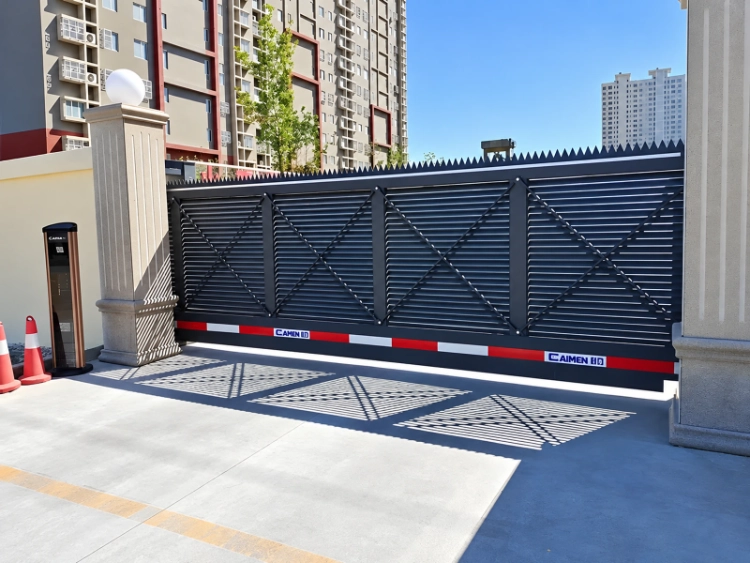
La hoja de la puerta debe moverse con suavidad manualmente antes de ajustar la configuración del motor para minimizar la fricción. La alineación de las bisagras, la rigidez de los postes, la distancia al suelo, la posición de tope, la exposición al viento y la ubicación de los sensores de seguridad determinan si el funcionamiento diario resulta seguro.
Para obtener un presupuesto para el proyecto, proporcione el ancho de la entrada, la dirección de apertura, la pendiente, la ubicación de la toma de corriente, las necesidades de control de acceso y fotos de ambos lados. canal de consulta del proyecto de puerta Este paso resulta más útil una vez que se dispone de estos datos del sitio, ya que la elección de la automatización depende de la geometría.
La puesta en marcha debe incluir la liberación manual, la respuesta ante obstrucciones, la alineación de la fotocélula, el límite de recorrido, la velocidad de apertura y el nivel de ruido en condiciones normales de uso. Una puerta que solo supera un ciclo de apertura y cierre no se considera completamente revisada.
La velocidad de apertura debe estar equilibrada con la trayectoria de aproximación.
Una puerta plegable rápida puede reducir el tiempo de espera, pero la velocidad solo es útil cuando el acceso es seguro. Los caminos estrechos, las entradas en pendiente, los pasos de peatones y las distancias de frenado cortas hacen que el control del movimiento sea más importante que el tiempo de apertura.
La geometría de la hoja también modifica la carga del viento y la tensión en la bisagra. Una hoja más ancha o pesada puede requerir postes más resistentes, una mejor alineación del eje y ajustes de límite más precisos. Si el recorrido mecánico no es uniforme, la automatización puede aumentar el desgaste en lugar de solucionar el problema.
Los accesorios de seguridad requieren posiciones específicas en el sitio.
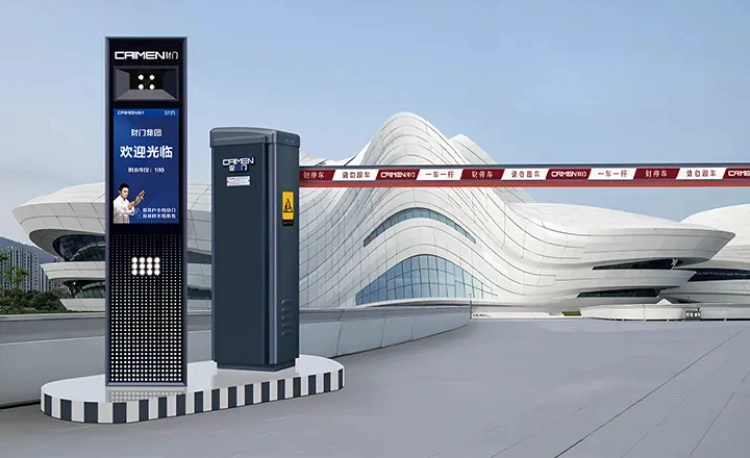
Las fotocélulas, las luces de advertencia, los detectores de bucle, los controles de acceso y los puntos de liberación manual deben ubicarse en las zonas de tránsito habitual de personas y vehículos. Una ubicación genérica puede pasar por alto una curva ciega o una zona inclinada donde un vehículo se detiene.
Antes de la fabricación, confirme que la abertura esté despejada, el nivel del suelo terminado, el desplazamiento de las bisagras, el tamaño del poste, el recorrido de la alimentación eléctrica y el drenaje. Pequeños errores en esta etapa pueden alterar la trayectoria de apertura o cierre lo suficiente como para requerir retrabajo después de la instalación.
La apertura rápida solo ayuda cuando la trayectoria del movimiento está controlada.
Una puerta plegable reduce el espacio de apertura al dividir el movimiento de las hojas, lo que resulta útil en entradas estrechas y accesos angostos. Sin embargo, la velocidad debe considerarse un parámetro de movimiento controlado, no un elemento decorativo. La puerta debe abrirse con la suficiente rapidez para minimizar el tiempo de espera, pero también con la lentitud necesaria para que los sensores, los peatones, los vehículos y la fuerza del viento se mantengan dentro de un margen de seguridad.
El ancho de la hoja, la posición de la bisagra, la alineación del eje, la rigidez del poste y el nivel del suelo terminado influyen en la trayectoria del movimiento. Si el poste se flexiona o la geometría de la hoja es incorrecta, el motor puede encontrar resistencia mecánica en cada ciclo. Esta resistencia se traduce en ruido, calor, desgaste y, finalmente, en averías.
Antes de la fabricación, el equipo de obra debe confirmar que la abertura esté despejada, que la pendiente sea adecuada, que el drenaje sea correcto, que la trayectoria de giro de los vehículos sea correcta, que la ruta de alimentación eléctrica sea correcta, que la posición del control de acceso y que el acceso para la liberación manual sea correcto. Estas medidas son más importantes que un valor genérico de velocidad de apertura.
Dónde la automatización debe esperar a la corrección mecánica
No utilice la fuerza del motor para ocultar una puerta que se atasca manualmente. La hoja debe moverse con suavidad antes de automatizar el proceso. Si no es así, compruebe primero la alineación de las bisagras, la base del poste, la distancia al suelo, la posición del eje y la ubicación del tope.
Los accesorios de seguridad deben seguir la trayectoria real. Las fotocélulas, los detectores de bucle, las luces de advertencia y los lectores de acceso deben colocarse en función de dónde se detiene un automóvil, por dónde puede cruzar un peatón y dónde el conductor puede ver el movimiento de las hojas.
El plano del sitio debe incluir el movimiento, no solo el ancho.
Un útil plano de la puerta muestra la posición de la hoja plegada, el área de espera para vehículos, el camino peatonal, la base del poste, el nivel del suelo terminado y la ubicación de los sensores. El ancho de apertura libre por sí solo no es suficiente, ya que la hoja móvil ocupa espacio durante cada ciclo.
Para proyectos de exportación, es fundamental confirmar el suministro eléctrico local, el hardware de control de acceso, el sistema de apertura de emergencia previsto y si la puerta debe integrarse con los sistemas de seguridad. Estos detalles influyen en la selección del motor, el cableado y la puesta en marcha mucho antes de la instalación de la puerta.
La exposición a las inclemencias del tiempo modifica el margen de automatización.
Las puertas exteriores están expuestas a la lluvia, el polvo, el viento, los cambios bruscos de temperatura y los impactos ocasionales. El motor y el sistema de control deben tener suficiente margen para soportar el movimiento normal más intenso, no solo el día de la instalación más limpia.
El viento puede ser especialmente importante para hojas anchas o diseños parcialmente sólidos. Si la entrada está expuesta, conviene analizar el relleno de la hoja, la resistencia de los postes, la carga de las bisagras y la detección de obstrucciones para que la velocidad de apertura no comprometa la seguridad.
Errores de instalación que generan movimientos inseguros
No apruebe una muestra únicamente en condiciones de sala limpia. El entorno habitual debe formar parte de la prueba: el polvo, la humedad, la presión manual, las variaciones de carga, el lavado o la manipulación repetida pueden alterar el resultado.
No permita que una sola especificación atractiva oculte las desventajas. Una mayor dureza puede mejorar la resistencia al desgaste, pero aumenta el riesgo de daños en la superficie; una mayor capacidad puede añadir peso; una mayor adherencia puede dificultar la limpieza o el reemplazo.
Solicite por escrito el nombre exacto del producto, la página web correspondiente, el método de envasado y las condiciones de la prueba. Un registro claro evita que el pedido a granel se desvíe de la muestra aprobada.
Preguntas frecuentes
¿Cuál es la comprobación más importante antes de elegir una puerta plegable?
La comprobación más importante es la condición que podría provocar un fallo en el uso real. Esto puede deberse al calor, la presión, la exposición al lavado, el peso, la calidad de los bordes, la estabilidad de la textura o el espacio de instalación.
¿Cuándo se deben evitar las puertas plegables?
Evítelo cuando las condiciones de funcionamiento estén fuera del rango probado o cuando un material, tamaño, método de control o rutina de mantenimiento diferente reduzca el riesgo de manera más efectiva.
¿Qué debería incluirse en una solicitud de muestra más completa?
Incluya fotografías de la aplicación, el tamaño o las especificaciones del producto, la frecuencia de uso prevista, el método de limpieza o mantenimiento, las necesidades de embalaje y la prueba de aceptación que determinará la aprobación.